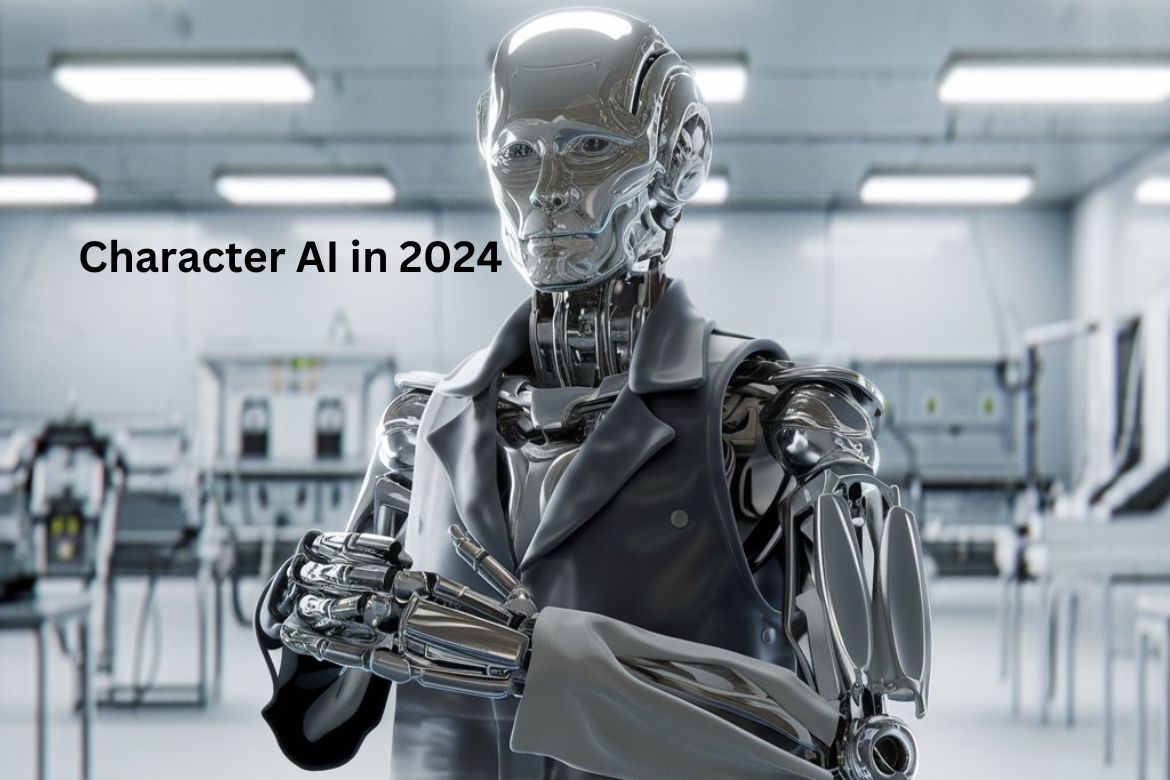
Character AI in 2024: The Future of Personalized Virtual Interactions
As we look towards the future in 2024, one of the most exciting and rapidly evolving fields is Character AI – the development of intelligent virtual characters capable of engaging in natural, personalized interactions. In a world increasingly shaped by digital technologies, the ability to create lifelike.
Understanding Character AI
At its core, Character AI involves the creation of intelligent software agents imbued with unique personalities, knowledge, and communication styles. These virtual characters are designed to emulate human-like interactions, drawing upon advancements in natural language processing, machine learning, and affective computing.
The key distinguishing factor of Character AI is the focus on creating a sense of individual identity and emotional resonance, rather than purely transactional or utilitarian interactions. Character AI agents are imbued with backstories and opinions.
The Evolution of Character AI in 2024
In 2024, Character AI has become increasingly sophisticated, with significant strides made in areas such as:
1. Contextual Awareness and Adaptive Responses
Character AI agents now demonstrate a deeper understanding of context, enabling them to tailor their responses and behaviors to the specific needs and preferences of individual users. By leveraging large language models, real-time data analysis, and personalization algorithms, these virtual characters can engage in fluid, coherent dialogues that feel more natural and personalized.
2. Emotional Intelligence and Empathetic Interactions
One of the most impressive advancements in Character AI is the ability to recognize and respond to human emotions. Through the integration of affective computing techniques, Character AI agents can detect emotional cues, such as tone of voice, facial expressions, and word choice, and adapt their own responses accordingly. This allows for more empathetic, emotionally-intelligent interactions that foster stronger connections between users and their virtual companions.
3. Multimodal Communication
Character AI is no longer limited to text-based interactions. In 2024, these virtual agents can communicate using a variety of modalities, including voice, gesture, and even virtual embodiment. This allows for more immersive and engaging experiences, where users can interact with their Character AI companions in a more natural, intuitive manner.
4. Persistent Personality and Memory
One of the key advancements in Character AI is the ability to maintain a consistent personality and memory across multiple interactions. By leveraging advanced data storage and retrieval techniques, Character AI agents can remember users’ preferences, past conversations, and ongoing narratives, enabling them to develop deeper, more meaningful relationships over time.
5. Specialized Domains and Applications
Character AI is no longer confined to generic, open-ended conversations. In 2024, we see the emergence of specialized Character AI agents tailored to specific domains, such as education, healthcare, customer service, and entertainment. These virtual characters possess deep subject matter expertise and can engage users in highly contextualized, task-oriented interactions.
The Impact of Character AI on User Experiences
The integration of Character AI into various digital environments has had a profound impact on how users interact with technology and digital content. Some of the key areas where Character AI is transforming user experiences include:
1. Educational and Training Experiences
Character AI-powered virtual tutors and mentors are revolutionizing the way we learn and acquire new skills. These intelligent agents can provide personalized guidance, tailored feedback, and adaptive learning experiences, enhancing engagement and improving learning outcomes.
2. Interactive Entertainment and Storytelling
Character AI is redefining the landscape of interactive entertainment, enabling users to immerse themselves in dynamic, narrative-driven experiences. Virtual characters with rich backstories and adaptive behaviors can create more engaging and responsive gaming environments, as well as innovative forms of interactive fiction and digital storytelling.
3. Therapeutic and Assistive Applications
The empathetic and adaptive nature of Character AI makes it well-suited for therapeutic and assistive applications. Virtual therapists and support agents can provide personalized emotional support.
4. Customer Service and Conversational Commerce
In the realm of customer service and conversational commerce, Character AI agents are transforming the way businesses interact with their customers. These virtual representatives can provide personalized, around-the-clock support.
The Ethical Considerations of Character AI
As the capabilities of Character AI continue to advance, it is crucial to address the ethical implications and potential challenges that arise. Some of the key ethical considerations include:
1. Transparency and Informed Consent
Ensuring that users are aware they are interacting with a virtual character, rather than a human, is essential. Developers must clearly disclose the nature of the interaction and obtain informed consent from users, particularly in sensitive or high-stakes scenarios.
2. Bias and Fairness
Character AI systems must be designed and trained with a strong emphasis on mitigating biases and ensuring fair and equitable treatment of all users, regardless of their background, identity, or personal characteristics.
3. Privacy and Data Protection
The collection and use of user data by Character AI systems must adhere to robust privacy and data protection regulations, safeguarding individuals’ personal information and respecting their right to privacy.
4. Emotional Impact and Psychological Wellbeing
The ability of Character AI to forge emotional connections with users raises concerns about the potential for manipulation, addiction, or other negative psychological impacts. Developers must prioritize the long-term well-being of users and ensure that these virtual interactions do not have detrimental effects.
Conclusion: Embracing the Future of Character AI
As we look towards the future in 2024, the continued advancements in Character AI promise to transform the way we interact with digital technologies, opening up new avenues for personalized, emotionally engaging experiences. By thoughtfully addressing the ethical challenges and harnessing the potential of this transformative technology, we can create a future where virtual characters seamlessly integrate into our lives, enhancing our learning, entertainment, and overall digital experiences.
FAQs
Character AI refers to artificial intelligence technologies designed to create realistic, interactive, and engaging virtual characters. These characters can be used in various applications, including gaming, virtual assistants, customer service, and content creation.
The future looks promising with potential advancements in:
Cross-platform Integration: Seamless integration of AI characters across various platforms and devices.
Increased Autonomy: AI characters with higher levels of autonomy, are capable of performing complex tasks without human intervention.
Ethical considerations include:
Privacy: Ensuring user data is protected and not misused.
Bias and Fairness: Addressing biases in AI algorithms to ensure fair and unbiased interactions.