How to Wash a Spoon Without Splashing: A Comprehensive Guide
Washing dishes can be a mundane task, but it often comes with its challenges, one of the most common being splashing water. Washing a spoon might seem simple, but if not done carefully, it can lead to water splashes, making your sink area messy and wet. In this guide, we’ll provide you with detailed steps and tips on how to wash a spoon without splashing, ensuring a clean and efficient process.
Understanding the Problem: Why Do Spoons Splash?
Before diving into the solution, it’s essential to understand why spoons cause splashes. Spoons have a concave shape, which can hold water. When this water is displaced suddenly, it can create splashes. Additionally, the surface tension of water and the force with which water hits the spoon can contribute to splashing. Learn how to wash dishes without splashing water everywhere.
Tools and Materials Needed
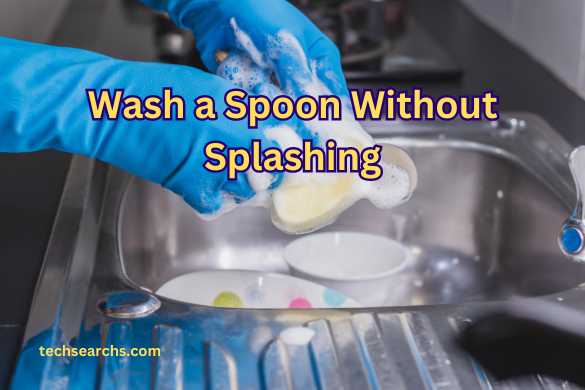
To wash a spoon without splashing, you’ll need the following tools and materials:
- Dishwashing liquid
- A sponge or dishcloth
- Warm water
- A drying rack or a clean towel
Step-by-Step Guide to Washing a Spoon Without Splashing
1. Prepare Your Sink Area
Start by preparing your sink area. Make sure your sink is clean and free of any leftovers food particles. This will ensure that the water flow is smooth and consistent, reducing the chances of splashing.
2. Adjust Water Pressure
One of the key factors in preventing splashes is controlling the water pressure. Turn on the tap and adjust it to a moderate flow. Avoid using high pressure as it can increase the chances of water splashing when it hits the spoon. For more detailed tips, check out our Wash a Spoon Without Splashing: A Quick Guide.
3. Wet the Spoon
Hold the spoon under the running water to wet it. Ensure that the water flow is gentle and directed towards the back of the spoon rather than the bowl. This helps in reducing the impact of water hitting the concave surface directly, thereby minimizing splashes.
4. Apply Dishwashing Liquid
Apply a small amount of dishwashing liquid to a sponge or dishcloth. Avoid applying it directly to the spoon as this can create excess suds, leading to more splashes when rinsing.
5. Clean the Spoon
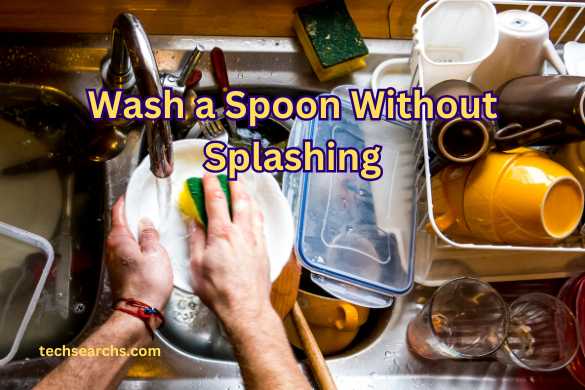
Gently scrub the spoon with the soapy sponge or dishcloth. Focus on cleaning both the bowl and the handle thoroughly. Make sure to scrub in a circular motion to avoid creating splashes.
6. Rinse the Spoon
Hold the spoon at an angle under the running water. Allow the water to flow over the spoon gently. Start by rinsing the handle and then move towards the bowl. Holding the spoon at an angle ensures that the water flows smoothly off the spoon, reducing the chances of splashing.
7. Check for Residue
After rinsing, check the spoon for any remaining soap residue. If you find any, repeat the rinsing process, ensuring the water flow is gentle and controlled.
8. Dry the Spoon
Shake off excess water from the spoon over the sink. Place the spoon on a drying rack or dry it with a clean towel. Make sure the spoon is completely dry before putting it away to prevent water spots.
Additional Tips for Splash-Free Spoon Washing
Use a Basin or Bowl
Using a basin or bowl filled with soapy water can help control splashing. Place the spoon in the basin and use a sponge or dishcloth to Wash Spoon Without Splashing it. Rinse the spoon under gentle running water after cleaning.
Clean Multiple Spoons Together
If you have several spoons to wash, clean them together. Hold multiple spoons in one hand and wash them simultaneously. This method can help reduce splashing as the spoons will act as a barrier, preventing water from splashing out.
Use a Spray Bottle
For a more controlled rinse, use a spray bottle filled with clean water. Spray the spoon with water to rinse off the soap. This method ensures a gentle and precise rinse, minimizing splashes.
Mind the Water Temperature
Using warm water instead of cold can help reduce splashes. Warm water has lower surface tension, making it easier to control and less likely to splash when it hits the spoon.
Avoid Overloading the Sink
Avoid overloading your sink with too many dishes at once. A crowded sink can cause water to splash more easily. Wash a few items at a time to maintain better control over the water flow and reduce splashing.
Conclusion
Washing a spoon without splashing requires a bit of attention to detail and technique. By following the steps outlined in this guide, you can ensure a splash-free and efficient dishwashing process. Remember to control the water pressure, use gentle motions, and be mindful of how you handle the spoon. With these tips, you’ll keep your kitchen clean and your spoon sparkling. Happy dishwashing!
FAQs
Spoons have a concave shape that can hold water. When water hits this surface, it can displace the water quickly, causing splashes. The force and direction of the water hitting the spoon also contribute to this issue.
Use moderate water pressure when washing spoons. High water pressure can increase splashing, while low pressure may not effectively clean the spoon. A steady, gentle flow is ideal for minimizing splashes.
Use a soft sponge or dishcloth. Abrasive materials can scratch the spoon and cause water to splash more. A gentle sponge or cloth will clean effectively without creating excess suds or splashes.