The power of visualization: enhancing your meditation practice smartfityoga
Meditation is a practice that offers numerous benefits, from reducing stress to improving mental clarity. One powerful technique that can significantly elevate your meditation experience is visualization. Combining visualization with meditation creates a mental space where you can tap into the power of your mind, bringing focus and intention to your practice. This guide will explore how visualization works, its benefits, and how to incorporate it into your meditation routine to experience a deeper connection with yourself.
Understanding Visualization in Meditation
Power of visualization is the practice of creating mental images to influence your thoughts, emotions, and physical responses. In meditation, visualization adds an element of creative focus, making the experience more immersive and transformative. By imagining specific scenarios, symbols, or outcomes, you can guide your mind into a calm and focused state.
How Visualization Works in Meditation
When you close your eyes and visualize, your brain responds to the mental imagery as though it’s real. This taps into your body’s ability to change its physical state based on mental cues. For example, if you imagine a peaceful beach, your body may start to relax as if you were physically there. This mind-body connection makes visualization an excellent tool for deepening your meditation practice.
Benefits of Visualization in Meditation
Incorporating the power of visualization into your meditation practice brings many benefits. These include enhanced relaxation, improved focus, and the ability to manifest intentions more effectively. Let’s explore some of these benefits in detail:
1. Boosting Relaxation and Reducing Stress
ower of visualization allows you to create peaceful mental images that help calm the mind. Whether it’s a serene landscape or a specific calming object, visualizing such images can lower stress levels and promote relaxation. This mental escape from daily stressors can improve your overall well-being and increase your ability to handle challenging situations.
2. Improving Focus and Concentration
Meditation often requires sustained focus, but it can be difficult to keep the mind from wandering. Visualization helps anchor your thoughts by giving the mind something specific to concentrate on. Whether you’re picturing a glowing light or envisioning your breath as energy, the imagery enhances your ability to stay present and focused during meditation.
3. Enhancing Emotional Well-Being
Through visualization, you can work on improving your emotional state. Imagining yourself feeling confident, calm, or happy can trick your brain into adopting these emotions. This is especially useful if you’re going through a period of anxiety, self-doubt, or sadness. Over time, this practice helps you foster a more positive mindset.
4. Supporting Goal Achievement
Visualization is often used in sports psychology and business success coaching, and it works similarly in meditation. By imagining yourself achieving goals or becoming the best version of yourself, you’re mentally preparing to manifest those outcomes in real life. This is known as the law of attraction, which suggests that focusing on positive images and intentions can help bring them into reality.
5. Deepening Spiritual Awareness
For those who view meditation as a spiritual practice, visualization can deepen that connection. Visualizing divine light, spiritual guides, or meaningful symbols can enhance the spiritual experience, helping practitioners reach higher states of awareness and enlightenment.
Techniques to Incorporate Visualization in Meditation
There are many ways to incorporate visualization into your meditation routine, each designed to enhance different aspects of the practice. Below are some effective visualization techniques you can try to elevate your meditation experience:
1. Guided Visualization Meditation
Guided visualization involves following the verbal instructions of a meditation guide or teacher. They will lead you through a journey in your mind, often describing peaceful settings, positive affirmations, or emotional healing scenarios. Guided visualization is particularly helpful for beginners or anyone looking to relax quickly.
How to Practice:
- Find a comfortable position and close your eyes.
- Listen to a guided meditation recording or follow a script.
- Focus on the imagery being described and let it fill your mind.
2. Chakra Visualization
In many yoga and meditation traditions, the chakras are considered energy centers within the body. Visualizing the chakras can help balance these energy points, leading to better physical, emotional, and spiritual health. Each chakra is associated with a specific color, and imagining these colors glowing at different points in the body can deepen your meditation.
How to Practice:
- Sit in a comfortable position with your spine straight.
- Close your eyes and visualize each chakra, starting from the root chakra at the base of your spine and moving upwards.
- Picture the corresponding color glowing and expanding with each breath.
3. Manifestation Visualization
Manifestation visualization involves imagining the life you want to create. Whether you’re seeking success, health, love, or peace, visualizing these outcomes during meditation can set powerful intentions. This practice aligns your thoughts and actions with your desires, increasing the likelihood of achieving your goals.
How to Practice:
- Sit comfortably and close your eyes.
- Focus on what you want to manifest in your life, whether it’s a goal, an emotional state, or a specific event.
- Picture it as if it has already happened. Focus on the details and feelings associated with achieving this goal.
4. Nature Visualization
The natural power of visualization is ideal for grounding and relaxation. By imagining yourself in a natural setting, such as a forest, beach, or mountains, you can connect with the Earth’s calming energy. This practice is particularly beneficial for stress relief and emotional grounding.
How to Practice:
- Find a quiet place to meditate.
- Close your eyes and imagine yourself in a peaceful natural environment.
- Focus on the sounds, smells, and sensations of the space, such as the sound of the ocean or the smell of pine trees.
5. Healing Visualization
Healing visualization is often used for physical or emotional healing. By focusing on a particular part of your body or emotional issue, you can imagine it being healed by light, energy, or other positive imagery. This can be particularly useful for those dealing with chronic pain, illness, or trauma.
How to Practice:
- Sit or lie down in a comfortable position.
- Close your eyes and focus on the area of your body or emotion that needs healing.
- Visualize a healing light or energy surrounding that area, gradually dissolving the pain or discomfort.
Creating a Visualization Meditation Routine
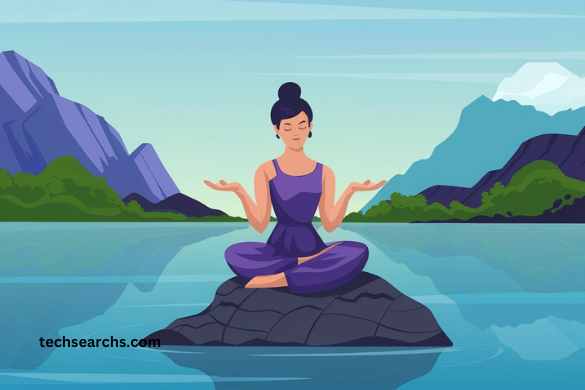
To make the most of visualization meditation, consistency is key. Creating a routine that incorporates power of visualization allows you to deepen your practice over time and experience the full benefits. Below is a step-by-step guide to building a visualization meditation routine:
Step 1: Set a Time and Place
Choose a specific time and place to meditate each day. Ideally, this should be a quiet, comfortable space where you won’t be disturbed. A consistent routine helps your mind and body adjust to the practice more easily.
Step 2: Choose a Visualization Technique
Decide which type of visualization you want to focus on during each session. You can mix it up by practicing different techniques depending on your needs, or you can stick with one type that resonates most with you.
Step 3: Start with Deep Breathing
Before you begin your visualization, take a few moments to focus on your breath. Deep, slow breaths help calm the mind and prepare you for a deeper meditation experience.
Step 4: Focus on Your Visualization
Once you’re settled and relaxed, start your visualization. Whether you’re imagining a peaceful place, focusing on your chakras, or visualizing your goals, let the imagery fill your mind and guide your meditation.
Step 5: Reflect on Your Experience
After each session, take a few moments to reflect on how the visualization made you feel. Journaling your thoughts or experiences can help you track your progress and make adjustments as needed.
Conclusion
power of visualization tools that can significantly enhance your meditation practice. By engaging your mind in creative imagery, you can deepen your focus, reduce stress, and achieve personal goals. Whether you’re visualizing a peaceful environment, focusing on your chakras, or manifesting your dreams, the power of your mind can transform your meditation experience. Incorporate these techniques into your routine, and you’ll soon discover how visualization can bring more clarity, peace, and purpose to your life.
Through consistent practice, visualization will become a natural and transformative part of your meditation journey.
FAQs
Visualization in meditation involves creating mental images or scenarios to guide your thoughts and focus. By picturing positive, calming, or goal-oriented imagery, you engage your mind in a focused way, which can promote relaxation, improve concentration, and manifest desired outcomes. Your brain responds to these images as if they were real, creating a powerful mind-body connection.
Visualization enhances meditation by providing a point of focus that keeps your mind engaged. It helps reduce distractions, increase mental clarity, and foster a deeper emotional and spiritual connection. Additionally, visualization can amplify your ability to manifest intentions, reduce stress, and improve emotional well-being by guiding your mind toward positive imagery.
Visualization is accessible for all levels, including beginners. Starting with simple mental images, such as imagining a peaceful beach or a glowing light, can help beginners ease into meditation. Guided visualization meditations are particularly helpful for those new to the practice, offering step-by-step instructions to follow.