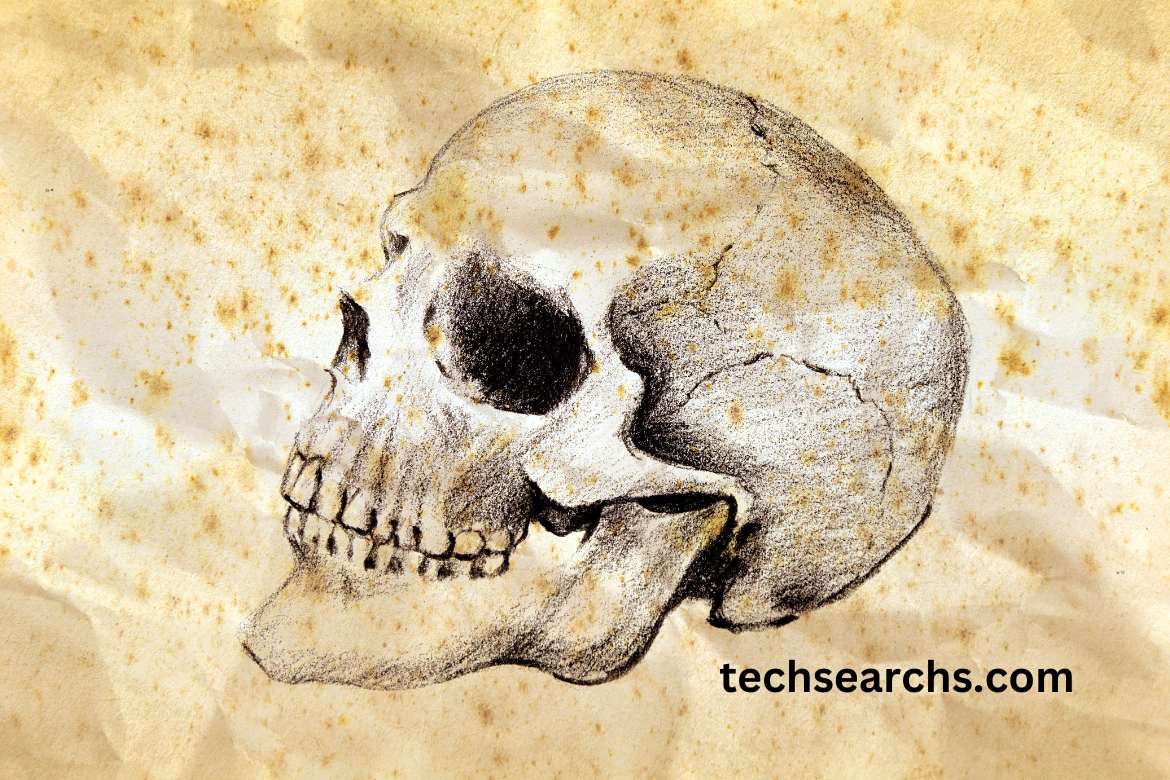
Drawing: Oldj_7nsvxk = Skull – A Deep Dive into Skull Art
Drawing: Oldj_7nsvxk = Skull has long fascinated artists and designers, symbolizing everything from mortality to rebellion. One specific phrase that has caught the attention of digital art enthusiasts is This cryptic term, which combines elements of a file name or digital tag and suggests a unique exploration into the world of skull art. In this article, we will explore the art of drawing skulls, their symbolism, techniques for drawing realistic and stylized skulls, and how digital tools can enhance this creative process.
The Symbolism of Skull Art
Drawing: Oldj_7nsvxk = Skull art has a rich history, traversing cultural, religious, and artistic domains. Skulls often represent the fragility of life and the inevitability of death. However, they are not solely morbid symbols. In many cultures, skulls are associated with wisdom, protection, and power. For instance, in Mexican culture, the “Calavera” or sugar skulls are a significant element of Dia de los Muertos (Day of the Dead), celebrating deceased loved ones in a festive and colorful manner.
In contemporary art, skulls can symbolize rebellion, as seen in various subcultures such as punk and heavy metal music. Skulls are also used in fashion and tattoos to convey edginess or a non-conformist attitude. The phrase drawing:oldj_7nsvxk= skull might represent a digital art piece exploring these themes, potentially serving as a modern take on an age-old motif.
The Basics of Drawing a Skull
Before diving into advanced techniques, it’s important to understand the basics of skull anatomy. A human skull consists of several key parts: the cranium, which houses the brain, and the mandible or lower jaw. Understanding the proportions and placement of features such as the eye sockets, nasal cavity, and teeth is crucial for any skull drawing.
- Structure and Proportions: Start by sketching a basic outline of the skull. Use a circle to represent the cranium and an elongated oval shape below it for the jaw. Divide the circle into quadrants to help place the features accurately. The eyes should be placed in the lower half of the upper circle, with the nose just below.
- Detailing: Once the basic structure is in place, begin adding details. Draw the eye sockets as deep, rounded cavities and the nasal cavity as a triangular shape. Teeth should be evenly spaced, with the upper row slightly overlapping the lower.
- Shading and Depth: Shading is crucial for adding depth and realism to a skull drawing. Identify the light source and shade accordingly to create shadows in the eye sockets, under the cheekbones, and around the teeth. Use a blend of hard and soft shading techniques to create a three-dimensional effect.
Techniques for Drawing Realistic Skulls
Creating a realistic skull drawing requires attention to detail and an understanding of light and shadow. Here are some advanced techniques to consider:
- Cross-Hatching for Texture: Use cross-hatching to add texture to the skull. This technique involves drawing intersecting sets of parallel lines to create a sense of volume and texture. Cross-hatching is especially effective for depicting the porous bone surface and the fine details around the teeth and eye sockets.
- Highlighting Bone Structure: Pay close attention to the different bones that make up the skull. Highlight the frontal bone, maxilla, zygomatic arch, and mandible. These structures add complexity and realism to your drawing.
- Utilizing References: Always use references for realistic drawings. Studying real skulls or high-quality photographs can provide a better understanding of the nuances of skull anatomy. Pay attention to variations in skull shapes across different ethnicities and ages to add diversity and realism to your artwork.
Stylizing Skulls in Art
Not all Drawing: Oldj_7nsvxk = Skull art needs to be hyper-realistic. Stylized skull drawings can be just as impactful and are a staple in graphic design, tattoos, and pop art. Here are some approaches to stylizing skulls:
- Exaggeration: Exaggerate certain features to give the skull a unique personality. This could mean enlarging the eye sockets, elongating the jaw, or adding whimsical elements like exaggerated teeth or horns.
- Simplification: Stylized skulls often strip away detail to focus on basic shapes and forms. This minimalistic approach can be highly effective in creating bold, graphic designs that are easy to replicate and adapt for various uses.
- Incorporating Patterns and Colors: Break away from the traditional black-and-white depiction by incorporating vibrant colors and patterns. Inspired by Mexican sugar skulls, artists can use floral patterns, swirls, and bright colors to create visually striking skull art.
Digital Tools for Skull Drawing
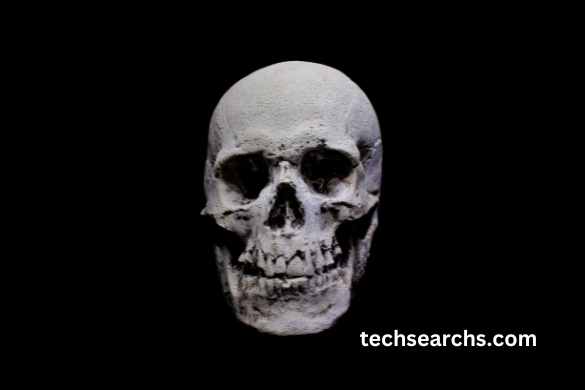
The phrase drawing:oldj_7nsvxk= skull hints at digital art, a medium that opens up numerous possibilities for skull illustrations. Here’s how digital tools can enhance your skull drawing:
- Layering Techniques: Digital art software like Adobe Photoshop, Procreate, or Clip Studio Paint allows artists to use layers. This feature is particularly useful for complex skull drawings, as it lets you separate different elements (e.g., linework, shading, highlights) and work on them individually without affecting other parts of the drawing.
- Custom Brushes: Many digital platforms offer custom brushes that can mimic traditional media like charcoal, pencil, or ink. Using these brushes can add texture and depth to your skull drawings, making them look more realistic or stylized, depending on your preference.
- Easy Corrections and Adjustments: One of the biggest advantages of digital drawing is the ability to easily correct mistakes and make adjustments. Tools like undo, transform, and liquefy allow for quick modifications, which can be invaluable when refining the details of a skull drawing.
- Use of 3D Models: Digital software often includes 3D modeling tools or plugins that allow artists to view and manipulate a digital skull model. This can be incredibly helpful for understanding perspective and anatomy, especially when drawing from different angles.
The Creative Potential of “Drawing: Oldj_7nsvxk = Skull”
The enigmatic phrase drawing:oldj_7nsvxk= skull could represent a digital art trend, a unique artistic concept, or even a collaborative art project where artists contribute different interpretations of a skull. Its cryptic nature adds an element of mystery and invites artists to explore their creativity. It encourages them to blend traditional skull symbolism with modern digital techniques, creating artworks that are both thought-provoking and visually stunning.
Conclusion
Drawing skulls, whether realistic or stylized, offers a vast canvas for creative expression. The term drawing:oldj_7nsvxk= skull serves as a modern call to artists to explore and push the boundaries of this timeless subject. By understanding the anatomy, applying shading techniques, and leveraging digital tools, artists can create compelling skull drawings that resonate with viewers on multiple levels. Whether you are a beginner or a seasoned artist, the world of skull art provides endless possibilities for exploration and innovation.
FAQs
Start with a basic structure using a circle and oval for the cranium and jaw, then add details such as eye sockets, nasal cavity, and teeth. Shading is key for realism.
Focus on accurate proportions, use shading to create depth, and add texture with cross-hatching. Studying real skulls or photographs for reference can also enhance realism.
Exaggerate features, simplify forms, or incorporate vibrant patterns and colors. Stylized skulls can be more abstract and are often used in graphic design and pop art.